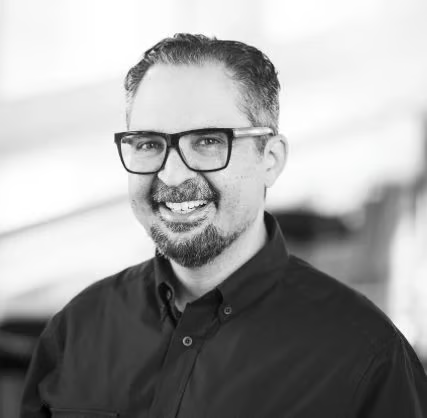
and our topic today is venture capital funding specifically something called world positive funding to discuss that I'm joined by James Watt keen co-founder and Managing Director at obvious ventures a VC firm hey James how you doing this morning I'm doing great thanks for having me on James good good obviously since you are the managing director of a VC firm you are literally a venture capitalist I am 100% a venture capitalist I'm past the denial stage on that you are based in San Francisco no less yeah we have the good fortune of working in the Presidio section of San Francisco which is a former military base that's now a National Park and we're sitting by the Golden Gate Bridge in the Presidio talking to you that is very San Francisco okay yeah so I'm wondering you know obviously probably when you were you know a kid 10 12 years old you didn't say to yourself you know I want to be a VC I want to be you know a fireman astronaut or a venture capitalist like how did you come to be an actual venture capitalist how does one become that well there are different routes I'll tell you mine you know I really started as an engineer I studied computer science on the East Coast at grade school called Brown University and while I was there I started programming on the 128 K as in kilobyte my gosh something that you know data mation probably covered as the oldest computer magazine on the planet right like $3,000 for that woman 128k model yeah I used my I used my university discount and with four other brown students we decided to start a software startup and we can barely spell startup this is way before the notion of startups in Silicon Valley even really existed at least we had an idea for a product and we started programming and I was one of the engineers and that company which was called Clear View software got acquired by Apple uh-huh so in back in 1989 I move from the East Coast out to work for Apple in Cupertino California and that was the beginning of my journey in that it was always my dream to work for Apple and I got to first run an engineering team and then be a product manager at Apple and ship a bunch of products and that's where I first got exposed to the idea of venture capital and this whole kind of startup culture around the personal computer that that was happening here in Silicon Valley and when the internet showed up is when I left Apple and started co-founding internet startups and I did a series of them the first was called when com it was a web-based calendar allowed you to keep your schedule and your events on the web and share them with friends and my co-founders and I were fortunate to basically have a bidding war of all the Internet portals at that time who had just acquired web-based email and they were looking for a web-based calendar as their next kind of application and we ended up selling the company to AOL for a large sum of money and I remember it alone and AOL you may remember them dropping cd-roms out of airplanes together on the Internet yeah I mean for a lot of Americans AOL was the internet in the case of the West yeah and you were not alone and so that was a great experience to go from you know whiteboard cocktail napkin idea to launching the product we partnered with Netscape and then we were acquired by AOL and ultimately served you know tens of millions if not hundreds of millions of users with that with that calendar and then for me it was bittersweet in that AOL laid off two of the four founders as part of the transaction I was one of those two and so I went and helped start another internet company called Oh photo of' OTO and the idea that we had and this was in the summer of 1999 is that this thing called the digital camera was going to take off and become mainstream now at the time digital cameras were $2,000 for a two megapixel camera right and film cameras were cheap and plentiful so most people thought we were crazy which is in in hindsight often a really good sign as an entrepreneur if if most of the market thinks you're crazy or you're too early and so we built a service that allowed people to create online photo albums with their digital photos share them with family and then turn those photos into Kodak prints and photo books and cards and I was the CEO of a photo and we grew that business to to be the world's largest photo service service in its day over 100 million dollars in annual revenue and we sold the business in 2001 to Kodak to Eastman Kodak and and the whole digital camera idea dude end up taking off believe it sure did yeah and and you know the nails were still warm in the film coffin when digital cameras then got disrupted by the camera phone so it's it's a great it's a great textbook example of you know the pace of disruption so you see you've had a number of startups number business you built and and here you are you're this velocity we talked about this other night the idea of world positive invested it it sounds wildly utopian and optimistic I'm sure there's some skeptics about it but what is your strategy of of worried positive investing when it comes to investing in the firms that you helped build with with - well let me tell you the why the why we started obvious ventures and and what this marketing term were positive means to us because the the last part of my entrepreneur story was that after after Oh photo I became CEO of a Global Payments company called zoom spelled exo-m and I joined well after the founders had started the company but I helped scale the business and and and that company had enormous financial success it went public in in 2013 and then later was acquired by PayPal for almost a billion dollars but but the business that we were in was helping foreign-born immigrants get more of their money back to their families instead of in the pockets of Western Union who was really the dominant player in that money transfer category and so for me that was the beginning of my world positive journey because I found that the more positive impact we had on our customers these hard-working immigrants the more they told all their friends and they lowered our customer acquisition cost and and increased all the business metrics of our service at zoom business value to doing moral work in that size 100 percent and the the mission and the purpose of the company helped me recruit amazing executives and help me retain those executives so I saw this causality between the the authentic purpose and the positive impact that the service had and I saw it improving the bottom line of the business and making more money for me and my investors and so that simple idea that purpose drives profit that companies can actually be formed to solve really really big problems that that our society that our species faces that was the idea that jump rolled the clock forward that led me to join forces with Evan Williams that founder a blogger and Twitter Vishal vez each the former chief strategy officer Patagonia the three of us came together with this shared belief that the biggest companies of our time are going to be companies that solve the world's biggest problems right and we didn't see traditional venture capital investing in those companies the traditional venture capital model is to take a whole mountain of cash invested in a start-up and that's to flare up the emphasis that is ungrown that startup and necessarily profitability and the goal of course is initial public offering where the venture capitalists cash out and turn in terms of the social consequences of the company well you know whatever the mission capitalists have made a lot of money so they did world positive investing it really runs counter to the traditional to what you're talking about with you know real positive goes against the traditional VC model it's a goes against us maybe too strong but I think it it's a new investment thesis that's different than the traditional venture model and and you said it well in terms of this idea of focus on growth focus on you know a financial exit and acquisition and IPO we our returns focus fund so we love the idea of having a financial exit but Artois is that the kinds of companies we want to invest in every dollar of revenue in that company also equates to some environmental or social benefit so imagine if you are a company like beyond meat in our portfolio they make plant-based alternatives to eating animal protein they have a run away product called the beyond burger that's a runaway hit every beyond burger that they sell is reducing the amount of you know animal burgers that are being sold and the numbers are crystal clear that that's much much better for the environment way less greenhouse gases way less water usage and improved human health outcomes in terms of the nutritional profiles when you put all that together you say as that company grows revenue and profits it's inherently having huge positive impact on the world and so we see that as a flywheel that turns that the more money beyond meat makes the more impact it has and that's the world positive idea for us okay so what might be a couple other examples of how a company can make a difference in that sense so one of our earliest investments was in a crazy mad scientist team building a company called diamond foundry and the founders had a background in a technology called chemical vapor deposition from the semiconductor industry laying down single atom materials the way that you know in Intel builds microprocessors and they had the idea that they could actually apply that to laying down carbon atoms to actually grow flawless diamond and they could grow diamond material in these plasma reactors that they were designing and so this is a big market - it's a very profitable business for companies that that sell diamonds today but the way they're typically manufactured is through mining which has horrible environmental damage in the African continent it has well documented you know child slavery and murder and just horrible negative externalities we bet on this team because they had a world have idea to just reimagine that business and come up with a clean abundant scalable way to make this valuable resource diamonds to grow them instead of mined them the other night incredible sorry yeah what's going on were there without that's Iman that found the co-founder and CEO of incredible health who you had the pleasure of meeting and she's building a service to solve what we think is a huge systemic challenge in the United States which is the nursing shortage right you know Silicon Valley talks a lot about the software engineering shortage there are so many venture backed companies trying to build recruiting and an employment matchmaking services for engineers well it turns out the nursing shortage is 10 times bigger than the software engineering shortage and if you put your long-term thinking hat on and you think about our country and the world 10 20 30 years from now we are all gonna live significantly longer than the current models based on the progress we're making on reversing chronic disease and you know we think when you think long-term the role of healthcare professionals including nurses is going to be probably the most important job and and the largest employment category in our country and today we can't train enough nurses and we can't hospitals can't hire enough nurses so incredible health was purpose-built to saw a problem and and their mission their purpose is all about the nurse they want her to find her highest best purpose and so they've come up with a very innovative way to match nurses to potential employers that can create the best career opportunities for them you know funding that way would actually catch on I'm guessing there's a certain amount of your VC colleagues you know they would look at you may be really your eyes thinking well it's a lovely idea maybe they do some great work but it might not scale because you know some some really highly aggressive capitalistic ideas are gonna scale better um is this something it's gonna grow as people gonna look at no well it's a nice idea in an itchy area well we're already seeing early signs that it's growing I'm not ready to put the mission accomplished banner out yet James but we think when we prove that this thesis drives great financial returns we will actually create a bunch of competitors and move more money into this into these categories of companies these world positive companies some of the early signs that we're already seeing one of our companies Ziya margin which does biological manufacturing they program single-celled bacteria and yeast to manufacture useful materials for us that's well positive because it's an alternative to petrochemical manufacturing it they're also generating enormous amounts of revenue doing this and they raised I believe it was a hundred and thirty million dollars and follow-on Capital led by Softbank we recently invested in an all-electric vertical takeoff and landing air taxi what what is often called a flying car we're using yeah using existing lithium-ion batteries it's a company called lilium they raised ninety million dollars with investment not just from us but from 10 cent and from atomic Oh so we're seeing examples of these kinds of companies that are actually getting significant access to capital and more importantly scaling real businesses and growing significant revenue so I'm optimistic that we're going to get these proof points you know it's issued and what if you agree or disagree with this there was there has been this sense you know with American you know technology grows like you know there's this rough-hewn sense we're gonna move first meeting the zuckerberg smiley was you know move fast and break things go all the way back that you know john d rockefeller it was like who's gonna steamroll or steal over anything and just are you stunned I wonder if that rough-hewn idea is actually productive in some ways we may like to dislike it but it does create some wonderful things and it's not as thoughtful as well positive investing is there is there still room for that or what's your take on that I mean that's the dominant paradigm today so I think it's taking up most of the room we're trying to actually move capital you know outside of just some of these big essentially network effect winner-take-all businesses you know some may call them monopolies some may not that's that's above my pay grade to determine but I think we are entering an era where we're seeing some unintended side effects from the growth at all costs technology development and you know we've as a firm we've written about this and we've placed extra emphasis on values and values based leadership because we think we're starting to see the dark side of Technology in terms of the influence that social media networks had on our recent presidential election the rise in mental health issues that are coming from some of the addictive addictive engineered addiction in a lot of social media and mobile applications so I don't think the entrepreneurs that built those things had intended for that but I think they move so fast that maybe they didn't step back to think about core values and maybe do the extra hard work to try to avoid those unintended negative consequences I mean certainly you know venture capital can go horribly wrong I think about the example of juice Sarah which I know you're familiar with there was a a $600 a 700-acre with an app for god sakes and which I'm not sure the world really needs a six and roller juice maker and it went bust eventually but the other thing is it gets funded by some you know heavy hitters Google Ventures kleiner perkins put money into it and just said I'll raise something like a hundred million dollars before it went bust myths that awful lot of money so I what what is it we're like we're venture capital goes horribly awry like that what goes on on that kind of kids it's a great question I mean I guess we get bragging rights to say that you know we we looked at that investment and chose not to invest it's easy to have hindsight in 2020 I mean on the one hand the fact that a lot of venture capital was lost that business is a good thing because venture capital is a risk asset class and it's it's how small businesses are funded it's how jobs are created globally so we don't want to we don't want to have too much of a negative reaction because we don't want venture capital to become so risk-averse that we don't take crazy bets that said I think they're juice arrows a cautionary tale in that that was a company trying to deliver elevated nutrition organic you know fruit and vegetable juices which i think is a noble mission but i think they were so focused on the technology of this hardware device that they missed the question that you open with James which is do consumers really want that and I think that you know there are probably leaner more efficient ways to test that hypothesis before building a factory and custom tooling and you know a NASA level you know just as a wrap up I'd like to look at the future where do you see the future world possible it does you know work you know it BC investing in general this discussion into three years now what are we going to be talking about in terms of venture capital funding that's a great question well I wish I had a crystal ball but I think two or three years out is probably easier than 20 years out 20 you know 20 years out the whole future of work and the future of currency are all you know in question but in two to three years at least from my vantage point from what we're focused on at obvious Ventures we think we're gonna show great financial success stories around companies that are solving big problems and reimagining industries and I think the trend that Marc Andreessen described as software eating the world is continuing that with that the notion of just building more enterprise software or building more internet software is much less interesting than taking technology and applying it to other markets and we I think in three years you're gonna see an order of magnitude more adventure capital going into these frontier or edge technologies like computational biology using technology to improve healthcare you know electric mobility the the flying cars we talked about and that's an example of taking hardware and software and applying it to a huge industry called transportation that that's out stip eclis outside of traditional that the traditional Silicon Valley lends so I think you're gonna see tech for better and for worse spread its wings and invade every huge industry on the planet education healthcare food transportation and on and on down the stack now I I have no doubt that the technology will spread its wings in and invade every sector I hope that's a good thing there are moments when I worry about that but I love it's a good you and me both I mean we're trying to vote with our time and our money and try to deploy capital into the companies that are doing it well and that are purpose driven and that are solving big problems right James thank you very much for talking with us today I will send you the link when we're done we can all tweet about it thanks a lot sounds great I look forward to it thanks James
This transcript was generated automatically from the
video's captions and may contain errors.