Kevin Kelly on the Future of Technology

Video streams on this page on Friday, June 30, 12 noon PT. In his New York Times bestselling book The Inevitable, futurist Kevin Kelly identifies 12 key tech trends that will shape human life in the decades ahead. In a wide ranging discussion, we discussed many of these trends, including: 1) Some say we are […]

Written By
James Maguire
James Maguire
Published: Jun 28, 2017
Updated: Mar 3, 2021
3 minute read

Transcription

hi I'm James Maguire and our topic today is a big picture look at the future of technology uh the technological forces that will be shaping our lives in the years ahead to talk about that I'm joined by Kevin Kelly founding executive editor of Wired Magazine and now the author of a New York Times bestselling book The Inevitable hi Kevin how you doing are you there thanks for having me I am oh good uh I guess the internet just didn't send the packets for one second you know how the internet is uh this is the book uh it's uh understanding the 12 techn technological forces that will shape our our our future excellent book by the way thank you uh interesting about the book you know it's very philosophical obviously it's it's it's techno but you are you are something of a techn philosopher because you can't read the bullet points summaries you need to actually read the book to to get the book for this it's very quite interesting yeah I I tend to to um try to figure out what technology means I mean there's plenty of websites or other people who can talk about the actual mechanics and the physics but I'm I'm interested in what it means to us there's there's a really interesting point from the book I I thought it was really sort of almost poignant it's it's it's early on you talk about how techn how Technologies changed our lives and uh you write and I quote uh if we honest we must admit that one aspect of the ceaseless upgrades and eternal becoming of technology is to make holes in our heart one day not too long ago we decided that we could not live another day unless we had a smartphone a dozen years earlier this need would have dumbfounded us now we get angry if the network is slow and you go on to say some people are Furious that our hearts are pierced this way by the things we make they see this ever needing as a debasement a lowering of human nobility the the the source of our continual discontentment but then you go on to to take a very different take on that we we do perhaps have this hole in our heart you know based on this this this Tech addiction OR tech tech involvement we have but you what what is your take on that you have more positive take I think it's what in part makes us humans which is that we are we take these holes in our hearts these new desires these Cravings these um unsatisfaction dissatisfactions and we make ourselves we reinvent ourselves we make ourselves new we invent something that we didn't know we wanted and now we want it and forever now we'll be unhappy if we don't have electricity or a lot of extra food or whatever it is and that changes it changes us permanently I mean we we we have changed our genes we have changed our bodies we invented domestic hurting animals which made milk which we rapidly ch changed our bodies so that we became lactose tolerance as adults a large portion of us right um and so that invention changed us and so this need actually is responsible for propelling us into the future making us different making us better and um so I see it as a source of you know discomfort But ultimately as the source of progress It's it's funny it's almost like it's not in our nature to be completely happy if we were happy we might just be laying under the tree so here we are we've created all these things yeah interesting right and and of course one of the things we we are still very actively working on creating is artificial intelligence and you talk about that chapter chapter two um and I think it makes sense that as you put it up front as you do you say uh quote the arrival of artificial thinking accelerates all the other disruptions I describe in this book it is it is the earth force in our future uh clearly clearly that's true true you say robots are inevitable and job Replacements are just a matter of time but the one thing I I I don't think you addressed or I didn't didn't see you addresses is we will clearly have a major problem in the job market from AI I mean it seems like we're we're headed for some dark dark times because of AI and the job market I think I think there's going to be an initial bump I think there's going to be initial conflict um I I think there is um I I I think you know we're going to have to continue to train armies of young people to be lifelong Learners to to be Perpetual newbies I mean the the Millennials get a pass right now they think that the because they were born into this they're going to uh be native but you know in five years from now something's going to come along and they're gonna have to learn this new stuff just like us oldtimers and they're gonna be like oh I can't I don't know if I can handle this and so um uh but but they I think they understand the nature that that you know lifelong learning is really the thing that they have to do there is a set of of people today who are older who are losing their jobs to Automation and they can be retrained we know how to do that we we have the existence proof of the US military which trains uh millions of people that are it's not just a matter of learning your skills lot of identity in something else it's the identity not just in the jobs that they're doing but their identity as members of a culture that was great the super sole superpower that's also under threat so it's not they could learn new things if they wanted to but they may not want to they don't see themselves as being a web designer or a mortgage broker whatever it is and so um and so I think there there is going to be um a bump a conflict but I see it as sort of the last gasp of the Industrial Age as that world the the US is a superpower or even um you know Factory workers or people who put in their time who who um did the who are square the square people who were who are the support of the middle class and of of of of that thing and as they see their identity vanish and I and I think um that's going to be hard on them and I think there's going to be a political uh uh conflict because of that right but I don't see the Millennials following in that direction and I mean the global Millennials mhm okay and so um so I think that there we we can certainly anticipate a round of of conflict because these are people who vote and they're not happy right and um their identities being questioned and threatened and I think uh they're not happy and but but but I don't I I I I I I think if for those who want to change that will be available but a lot of them don't want to change and um uh I don't think that's inherent in the technological systems I think we have the capability of retraining anybody who wants to be retrained and um uh I think that there will be far more jobs available from this new technology than are available now and that this will create whole new avenues and it's not just stuff for people with college degrees uh where we're moving is is is that um we're valuing experience and experiential and face-to-face content more and more even while we're getting rid of all of it and automating it you know e-commerce is getting rid of all the cashiers at the same time that's because that was a low commodity um what I say a useless type of of face to face it was not being maximized it was a it was it was a commodity version so yeah they should go to the Bots is you want to have the human you know curator who says come into my shop and I here the things I'm personally interested in and you can look at these and and and so that's where we're moving to I think where we can value face-to-face experiences not just from college degrees but from people who uh have good people skills yeah I mean you you talked about that in book The Idea the empathetic Helper and and and the need the intense need for human you know one toone contact and obviously that's that's not going to be driven out by automation my my one fear is that and even even now we have a certain amount of jobs that that that remain open because people there the jobs but there's not people to fill them with the skills and I'm my one concern is that we can train people but as as the technological curve keeps going it's going to be harder you need some real serious training not not a two-year extra you're gonna need some serious skills and that's my worry about the jobs of the future yeah um yeah um everybody's going to be a lifelong learner so so it's going to take your entire life to learn how to do this thing and then next year no one's going to need it you have to learn again and so um uh at wired we we we had a a saying because we did a lot of hiring of of young people which was um uh we um you hire for attitude train for skill it was like the skill that we needed nobody had we we were inventing you know web Publications there they had not existed before right there was no nobody had the skill for making a a magazine online so we're GNA hire for your attitude and then we'll train on the job training for the scale and so I I I think that training is going to come from doing um yeah it'll take a take a long time and that's why at least in the tech industry you know the the workers are being pampered to death my my daughter works for um one of these companies and oh my gosh the benefits that they have showered on her so she doesn't leave right um is phenomenal because they're they're going to spend the rest you know they're going to train her for the rest of the life as long as she wants to stay there yeah okay and and of course she is a desired worker because some who actually handled those technology skills are become ever more valuable in the years right and and she didn't have those skills from college she was like an international relations major she had ah and so um she learned them on on the job and that's I think this idea of all these things are so new that we can only learn how to use these by use and this is what I preach in the book is that using these things we have to use them because only through use can we learn how to use them and only through use can we learn what's good and what's bad and only through use can we steer right that if you try to prohibit them these Technologies in general or turn them away turn them down or whatever we don't get to steer they're going to come anyway but we don't get to steer right so we want to use them engage them because through that use and engagement we can actually steer them it's interesting I'm wondering uh you know if you would put it all together and think about winners and losers because you you do talk about you know certain key trends you mentioned you know moving from fixed products to always upgrading services and subscriptions that that's cloud computing in a nutshell you know turn turning many services into the screens employing total surveillance for the benefit hopefully of of of citizens and consumers but in all that can you point to like you know macro winners and losers in in the years ahead based on technological changes winners and losers well um yeah the winners are going to be lifelong Learners the losers will be people who stop learning um right but uh what what about the nation state or I mean like I think about cry cryptocurrency versus the nation state or you know the nation state is being diminished in its relative important but it's not going away it's right not at all going away I think cities um rise in their relative uh importance to us in other words I think I take uh Richard Florida's um remark that the city that you live in probably has more to do with your relative wealth and happiness than even the country that you live in okay okay um and so uh I think increasingly they they will play a more outsized role in determining your general Prospect and prosperity interesting more the city than the country yeah yeah right so like in China you know if you live in one of the Big East Eastport cities you're doing great if you're not you're not doing so good in the US it's actually not so different if you are in a relatively prosperous city um you may be looking good and if you're not if you're in a city that you know in the Rust Belt State you're you're really struggling and and and that you may be struggling more than somebody who lives in you know India say and they live in Bangalore or Delhi right it's job opportunities partially among partially yes just the whole the whole infrastructure uh you know I mean again we're kind of realiz these are the most uh e Eco um sensible things that they actually have the smallest uh footprint the smallest detriment per capita right and so um as we become more urbanized um you know the the Jeffrey West at the Santa Institute has done these calculations showing that As Cities grow their benefits grow even faster F uhuh okay and so um the the the the the bigger the city the more benefits Ur per per capita and so um while we tend to think of these sprawling things with many downsides in fact they have you know more opportunities per person they have more security per person they have more uh freedoms and rights per person and so um as people move into cities the the the General Dynamics of that city um have a huge impact on their their lives interesting the uh your closing chapter I thought was was neat you talk about um this title beginning and you you it's about constructing an entire planetary system that connects all humans and machines into this unified Global you know Community Matrix uh just it's a very large idea um Chris we're a long way from there can can you talk about what that might mean for all of us in in the future yeah yeah so um people actually you know often ask me what am I on to next and this is sort of what I'm thinking about right now there are several ways to think about it one is um it's sort of globalization r large and deep so the kind of Trends we see now that we call globalization are head in that direction but imagine the true Global Society or true global economy and what that would mean but both the positive and the negative right and I find it very hard to imagine us not evolving some kind of global governance or Global government and fascinating again um that's an idea that appeals to nobody I mean it's like the left are frightened of it the right are frightened of it nobody kind of wants it but yet it seems to me pretty inevitable I look at Star Trek right and so um but how does that work how would that possibly work how could you possibly have a democratic government for seven billion people I mean that just sort of boggles the mind it really does and yet we're moving in that direction and so I'm really interested in what what was what's the kind of global converging culture what does that say about identity how does it even work if it if it doesn't work and then then there's a question of well how do you escape I mean how how does the scent work in a global governance it's like right if there's no out um what do you do what do you do and so there are tons of very interesting problems but I'm I've decided to take the idea seriously but to retreat to your question you know what next 10 or 20 years this is not going to be next 10 or 20 years that's a direction we're going but the next 10 or 20 years I think we are absolutely going to um knit together uh more of global all these devices that we have the phones and the laptops and servers are all connecting together to act as if we have a single machine that we're running all the time and that single machine will eventually within the 30-year framework include you know hundreds thousands of AIS right okay in addition to the billions of humans and so suddenly we have this other dimension and um I think strange things are going to come out of it but um the important thing is that we need to understand that we actually are building this machine that will have an effect and you know and there will be billions of people connected to it day and night um and so uh I I it's very hard to forecast what happens because I think impossible things will happen impossible things like Wikipedia Wikipedia is still impossible it's it's amazing all that Free Labor All That knowledge yeah all that knowledge anybody can correct it it can't possibly work and yet it does and yet it does it's impossible it right any law of human nature would tell you that Wikipedia cannot exist there it is and I think I think we're going to come up with some other uh things like that so so here the one of the the opportunities that I think are in store for entrepreneurs is um what could you do with a million people collaborating together in real time wow okay that's a question yeah so so so the one little place we've seen that happened was if you're a fan of Reddit April fools last year they did the Reddit the place which was a million pixels that people were trying to control they had one million people participated in that collaborate within 72 hours wow okay it it was a performance piece but nonetheless it was just the Prototype a hint of what we could do with just just a million people collaborating Facebook has two billion people right and they're collaborating right now by sharing gossip and Cat videos but imagine if we decide you could do something something even simple two billion people online and that's the opportunity I think someone will seize in in 30 years is we'll take the first steps of saying I'm going to have 10 million people we're going to collaborate and do something in real time together right and that that was something that would not have been even thinkable uh you know 10 years ago yeah that's fascinating what one last thing in closing I think had a sort of a hopeful note you know you write that um sometimes it seems as if the internet has been done because there's so many apps so many platforms so many devices more than enough content for million years but then you make the point that um if you were to time travel up another 30 years from now in the future you'd realize that you know nothing has been done in 2016 or 17 and you say that today is a wideopen frontier quote today is the best time to start up there's never been a better day in the whole history of the world to invent something I I was just really may be happy to read that and uh it's a wonderfully optimistic note yeah and it's true it's true it's you know judged from the past we have never had um more tools and more opportunities than today and and has never been more democratically spread out so um you know a high school kid in Jakarta could have access to some amazing tools that that that would enable him or her to um make something that the entire world wanted and um so we have lower barriers better tools a bigger Market a bigger audience and cheaper money in some senses than ever before right and that's just from the past and if we look to the Future from the eyes of the future we have this notion that um we're just at the first day of the day one of all these immense changes that are coming artificial intelligence the whole new platform of virtual reality which will be bigger than smartphones right uh the the the the consequences of tracking the um the introduction of this new kind of global machine that I was talking about all these things are before us which means that there's lots of very easy pickings low fruit initially that are available for anybody to take X and add Ai and um so so so so right now this minute is really the best time in the world for the past and the future to make something and and right and here it is and you know I did this calculation that um you know uh I have this idea of a thousand true fans where you could make a living by selling things to a thousand two fans a thousand is if you got if you got the use the Technologies to have direct interaction with them and have them pay directly right well well if your idea or your passion appeals to only one in a million people there are still a thousand several thousand of them in the world right so that means that anything that you're passionate about has the potential to provide a living for you in this new uh the new era that we're in so so there there's there's you know uh it's really the very very best time ever to make something fascinating Kevin thank you very much for talking with us today it's really interesting I you know the book is here here's the book by the way the inevitable fantastic read quite quite entertaining and interesting uh thank you very much I I will send your your publicist the link and uh thanks for talking with us it's really been my pleasure I really enjoyed it thank you for your enthusiasm and support and um it's really been an honor to be here thank you bye-bye

This transcript was generated automatically from the video's captions and may contain errors.

Datamation content and product recommendations are editorially independent. We may make money when you click on links to our partners. Learn More

Video streams on this page on Friday, June 30, 12 noon PT.


In his New York Times bestselling book The Inevitable, futurist Kevin Kelly identifies 12 key tech trends that will shape human life in the decades ahead. In a wide ranging discussion, we discussed many of these trends, including:

1) Some say we are too addicted to the technology in our lives, yet you take a different view of this. How so?

2) Does artificial intelligence pose a threat to the job market? What’s to be done about potential massive job losses?

3) Are there winners and losers as we speed forward with technology?

4) You opine that “there has never been a day in the whole history of the world to invent something.” Why?

Please join us for an in-depth discussion about future tech, on Friday, June 30 at 12 noon PT.
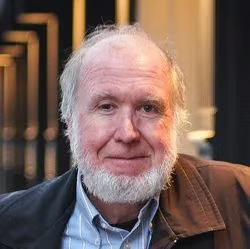
Kevin Kelly 

Author, The Inevitable


Advertisement

  SEE ALL
ARTICLES
 

James Maguire

James Maguire has been reporting on emerging technology for more than 15 years. He has won two ASBPE Awards of Excellence for in-depth feature articles about cloud computing and artificial intelligence. He has covered the gamut of enterprise and consumer technology, and regularly communicates with leading IT newsmakers, vendors and analysts.

Datamation Logo

Datamation is the leading industry resource for B2B data professionals and technology buyers. Datamation's focus is on providing insight into the latest trends and innovation in AI, data security, big data, and more, along with in-depth product recommendations and comparisons. More than 1.7M users gain insight and guidance from Datamation every year.

Property of TechnologyAdvice. © 2026 TechnologyAdvice. All Rights Reserved

Advertiser Disclosure: Some of the products that appear on this site are from companies from which TechnologyAdvice receives compensation. This compensation may impact how and where products appear on this site including, for example, the order in which they appear. TechnologyAdvice does not include all companies or all types of products available in the marketplace.